


Is the bike registered for UK road use?
A road legal electric motorbike must be registered correctly before it can be used on public roads. Off-road and private-land models are not automatically road legal.


Explore

Not Sure Which Bike?
Tell us how you ride and we will recommend the right brand and model.
Help me choose
Visit the Showroom
See the full range in Guildford. Opening hours, directions and parking.
Plan your visit
ROAD-LEGAL ELECTRIC MOTORBIKES UK
Road legal made simple
Before choosing a road legal electric motorbike, it helps to understand the basics: CBT, licence categories, insurance, road equipment and which model suits the way you want to ride.
MotoEbikes helps you make sense of it before you buy, with clear advice from our Guildford showroom.
Road legal. Electric. Expertly explained.
The road legal basics
A road legal electric motorbike must be suitable for use on UK public roads. That normally means the bike needs the right registration, road equipment, insurance and a licence route that matches the rider and the bike.
A road legal electric motorbike must be registered correctly before it can be used on public roads. Off-road and private-land models are not automatically road legal.
A motorcycle may need the correct type approval or Motorcycle Single Vehicle Approval before registration. This is especially important for converted, imported or non-standard bikes.
Road-legal bikes normally need the correct lights, reflectors, mirrors, indicators and number plate setup for their vehicle category.
The bike needs tyres suitable for road use. Off-road tyres are not always suitable for public roads, even when fitted to a powerful electric bike.
A bike used on UK public roads needs valid insurance for the vehicle and rider before it is ridden.
Your age, current licence and the bike's official category determine whether CBT, A1, A2 or full A motorcycle rules apply. The exact vehicle category matters.
Road legal checklist
Guidance based on UK road use requirements. Always confirm the exact registration, licence and insurance position before riding.
Short answers to the road legal electric motorbike questions riders ask before buying.
A road legal electric motorbike must be registered correctly before it can be used on public roads. Off-road and private-land models are not automatically road legal.
A motorcycle may need the correct type approval or Motorcycle Single Vehicle Approval before registration. This is especially important for converted, imported or non-standard bikes.
Road-legal bikes normally need the correct lights, reflectors, mirrors, indicators and number plate setup for their vehicle category.
The bike needs tyres suitable for road use. Off-road tyres are not always suitable for public roads, even when fitted to a powerful electric bike.
A bike used on UK public roads needs valid insurance for the vehicle and rider before it is ridden.
Your age, current licence and the bike's official category determine whether CBT, A1, A2 or full A motorcycle rules apply. The exact vehicle category matters.
A road legal electric motorbike must be registered correctly before it can be used on public roads. Off-road and private-land models are not automatically road legal.
A motorcycle may need the correct type approval or Motorcycle Single Vehicle Approval before registration. This is especially important for converted, imported or non-standard bikes.
Road-legal bikes normally need the correct lights, reflectors, mirrors, indicators and number plate setup for their vehicle category.
The bike needs tyres suitable for road use. Off-road tyres are not always suitable for public roads, even when fitted to a powerful electric bike.
A bike used on UK public roads needs valid insurance for the vehicle and rider before it is ridden.
Your age, current licence and the bike's official category determine whether CBT, A1, A2 or full A motorcycle rules apply. The exact vehicle category matters.
Rules depend on your age, licence, the model and how the bike is registered. Always check the exact bike before riding on public roads.
For a deeper explanation of CBT, licence categories, insurance and registration, read our complete UK road legal electric motorbike guide.
Read the full guideRoad legal meaning
A road legal electric motorbike is an electric motorcycle or moped that can be used on UK public roads when the bike, the paperwork and the rider are all correctly matched.
That normally means the bike must be approved or registered for road use, roadworthy, insured, fitted with the right road equipment and ridden by someone with the correct licence entitlement.
The important point is this: a powerful electric bike is not automatically road legal just because it has lights or looks like a motorcycle. The exact model, registration status and licence category matter.
The bike must be suitable for UK road use and correctly registered where required.
It must be in a safe, roadworthy condition and meet the requirements for its vehicle category.
A vehicle used on UK roads needs valid motor insurance. Third party insurance is the legal minimum.
The rider must have the right licence entitlement for the bike category, power and intended use.
This is general guidance, not legal advice. Always check the exact bike, registration status, insurance position and licence route before riding on public roads.
For MotoEbikes customers, this is why we separate road legal models from off road and private land models. It helps you avoid choosing a bike that looks right but does not match your licence, insurance or intended use.
UK road-legal electric motorbike guide
Explore road legal electric motorbikes for commuting, everyday riding and longer journeys. Compare live prices, availability and key specifications, then open any model for its complete technical details.
MotoEbikes guidance: Check the exact vehicle category, licence, insurance and registration requirements before riding on public roads.
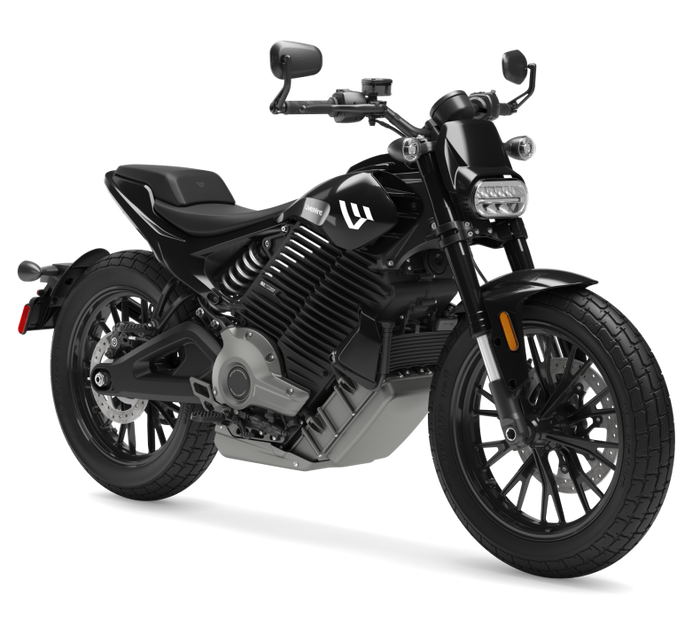 Road legal
LiveWire
Finance from £194.62 per month*
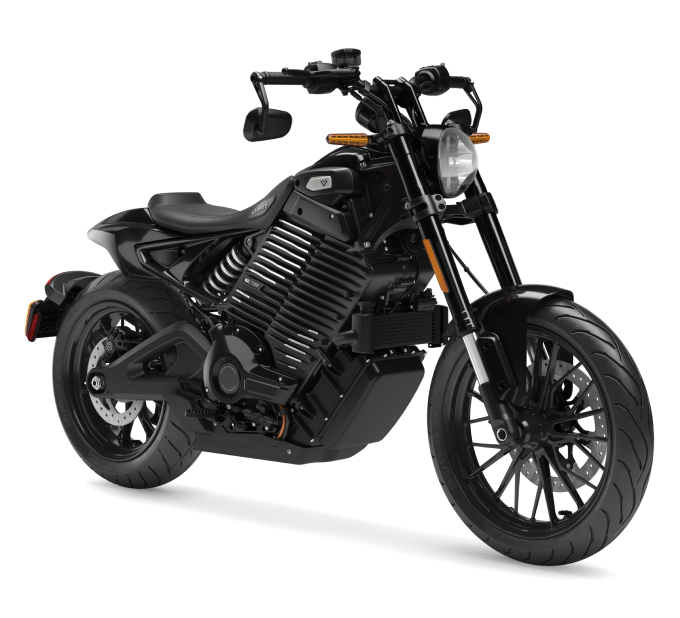 Road legal
LiveWire
Finance from £194.62 per month*
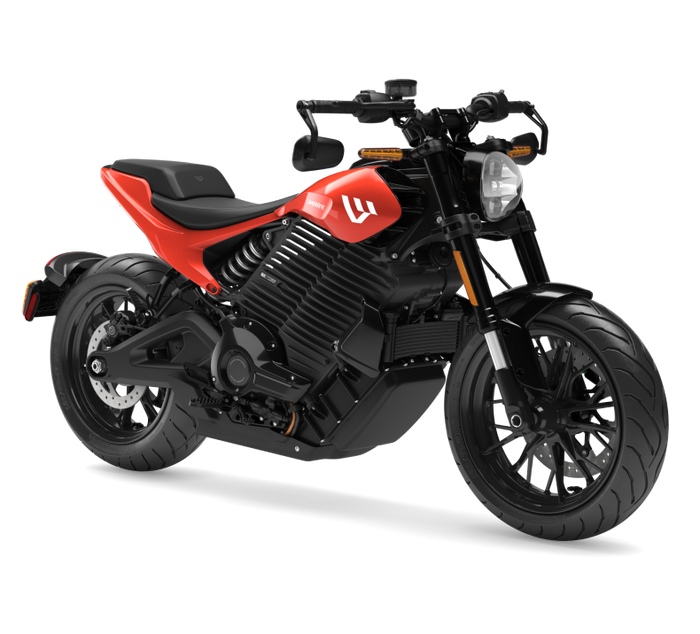 Road legal
LiveWire
Finance from £212.82 per month*
 Road legal
Stark
Finance from £198.44 per month*
 Road legal
Stark
Finance from £198.44 per month*
 Road Legal
Stark
Finance from £198.44 per month*
Road legal
Stark
Finance from £216.65 per month*
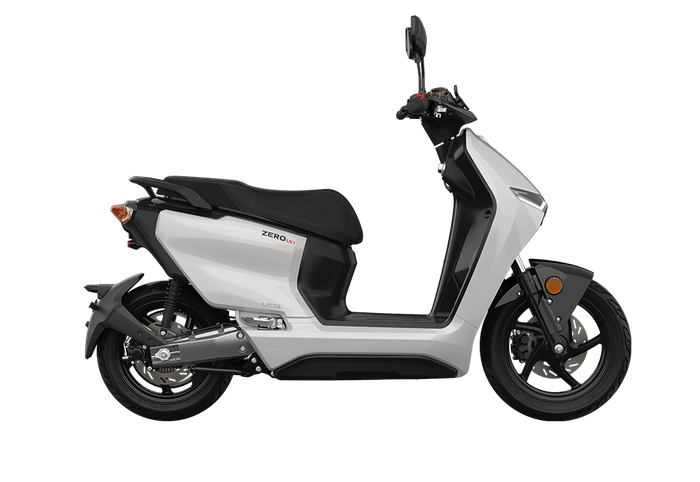 Road legal
MotoEbikes tip
The right road-legal electric motorbike depends on your licence entitlement, everyday journey, required range, charging access and preferred riding style. Explore our UK guidance or speak with the MotoEbikes team for practical help choosing a suitable model.
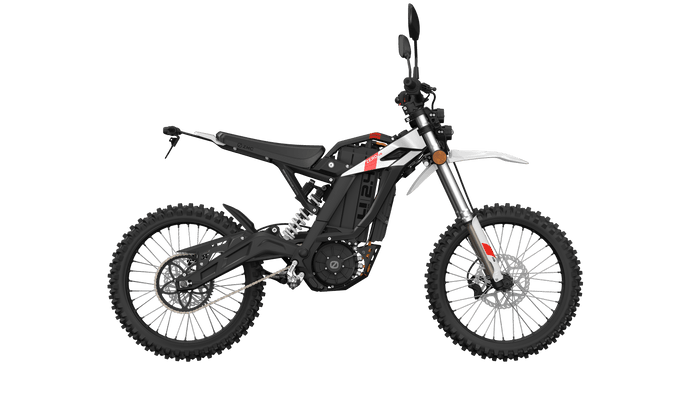 Road legal
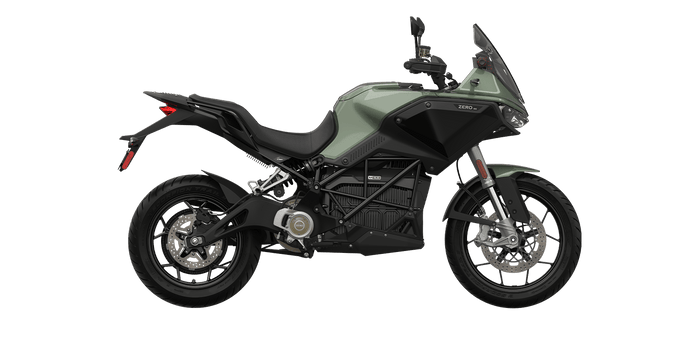 Road legal
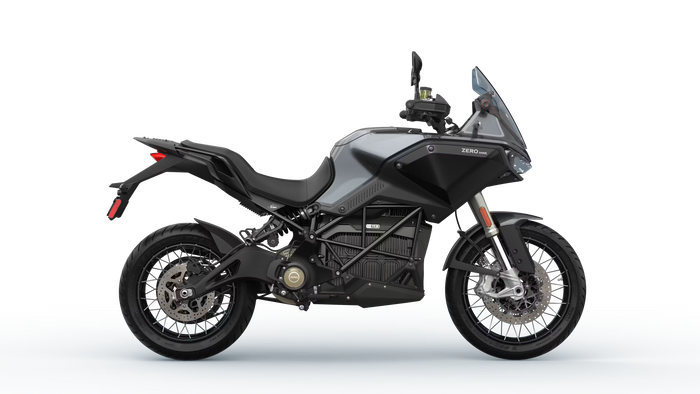 Road legal
Zero
Finance from £417.72 per month*
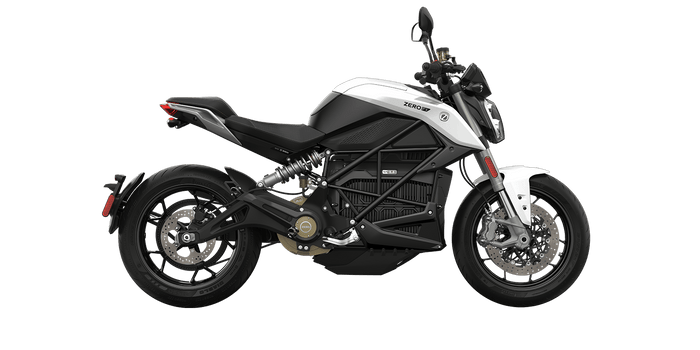 Road legal
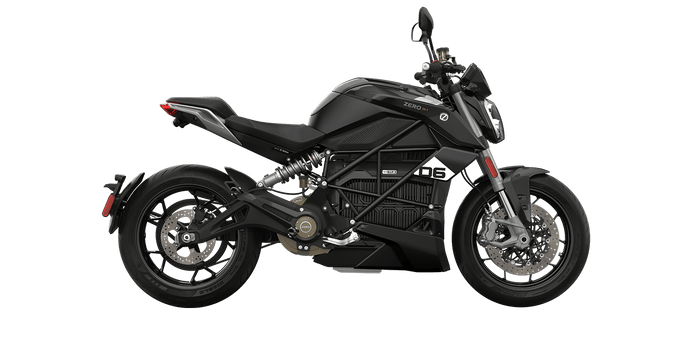 Road legal
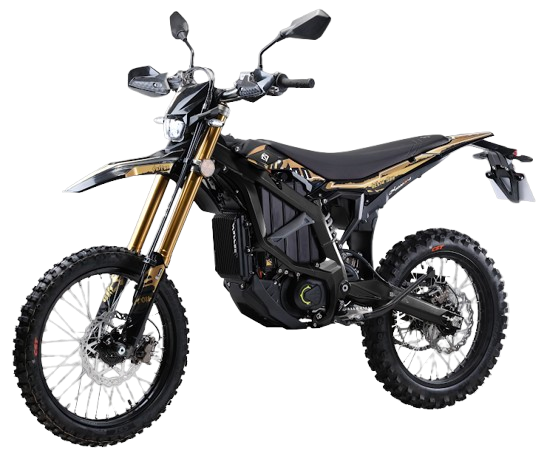 Road legal
Sur-Ron
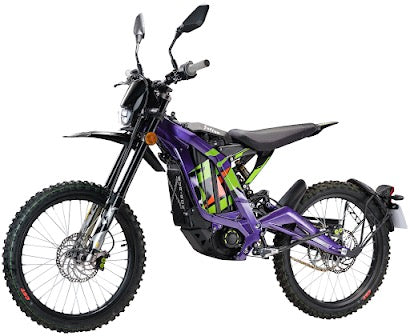 Road legal
Sur-Ron
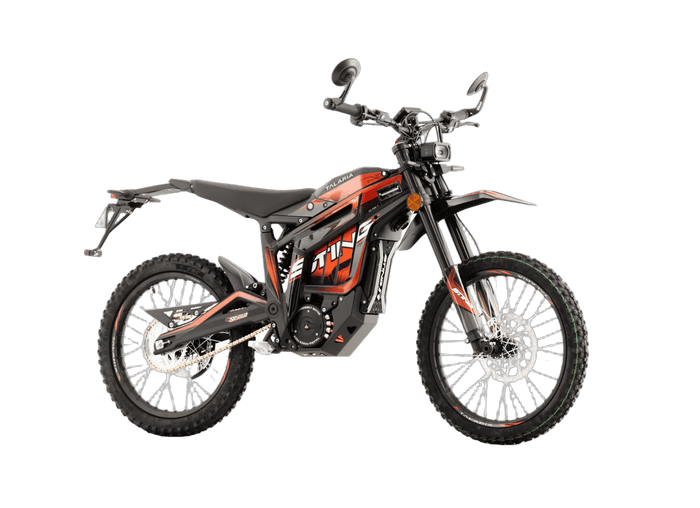 Road legal
Talaria
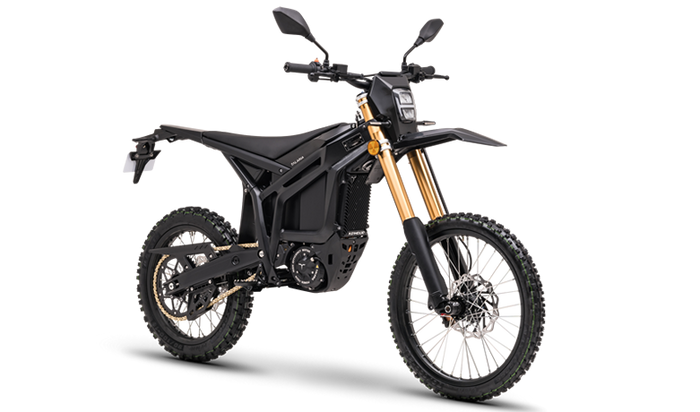 Road legal
Talaria
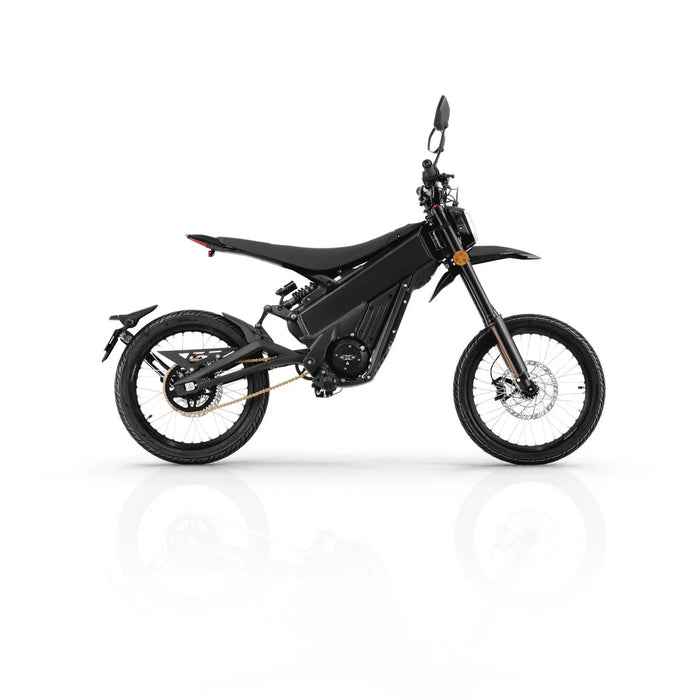 Road legal
Talaria
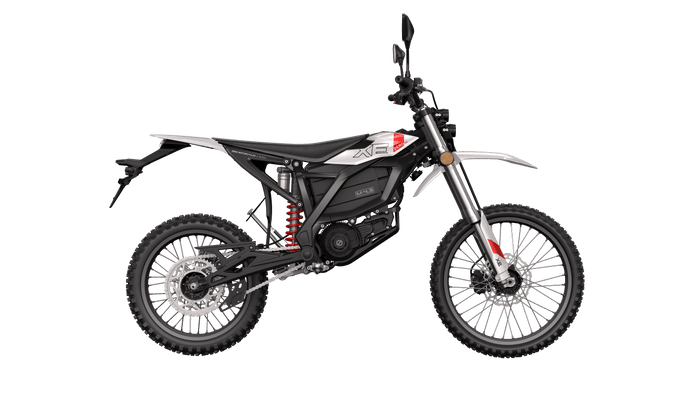 Road Legal
 Road legal Sold out
Stark
Finance from £198.44 per month*
Road legal
Stark
Finance from £198.44 per month*
Road legal
LiveWire
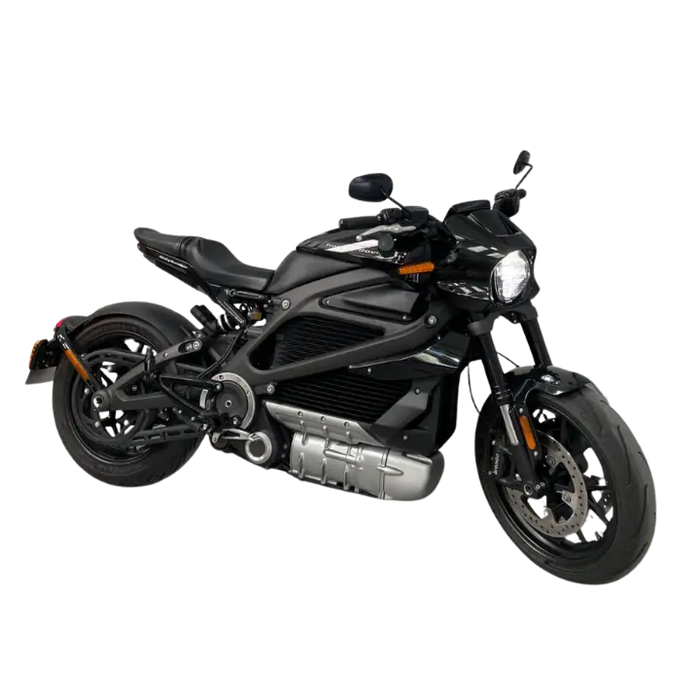 Road legal
Harley-Davidson
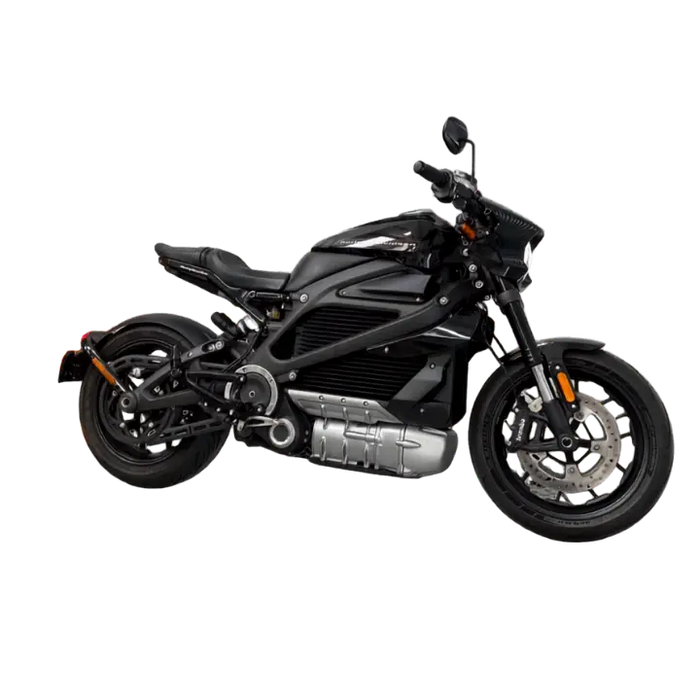 Road legal
LiveWire
Showing 24 of 28 bikes. View the full collection.
Licence routes
The right licence route depends on your age, current licence and the exact electric motorbike you want to ride. Use this as a simple starting point, then check the full guide or speak to our team before buying.
CBT is often the first step for new riders. It is basic training that allows many learner riders to ride within set limits while displaying L plates.
A1 is the light motorcycle licence route. It is usually relevant for smaller road legal motorcycles and lower powered electric motorbikes.
A2 is for riders who want access to more power, subject to age and power limits. It may be relevant for higher performance road legal electric motorbikes.
A full category A licence is the unrestricted motorcycle licence route. It gives the widest choice of road legal motorcycles, depending on eligibility.
Simplified guidance from MotoEbikes. Always confirm the exact licence route for your age, current licence and bike category before riding on public roads.
Short answers to common UK electric motorbike licence questions.
After completing CBT, riders aged 17 or over can usually ride a motorcycle up to 125cc and up to 11kW with L plates. Electric motorbikes should be checked by vehicle category and power output.
An A1 licence is usually for light motorcycles. GOV.UK lists A1 for light motorcycles up to 11kW with a maximum power to weight ratio, subject to the right training and tests.
An A2 licence allows access to more powerful motorcycles than A1, within power limits. GOV.UK lists A2 for standard motorcycles up to 35kW, subject to the right route, age and tests.
A full category A licence is the unrestricted motorcycle licence route. Eligibility can depend on age, previous licence history and the direct or progressive access route.
After completing CBT, riders aged 17 or over can usually ride a motorcycle up to 125cc and up to 11kW with L plates. Electric motorbikes should be checked by vehicle category and power output.
An A1 licence is usually for light motorcycles. GOV.UK lists A1 for light motorcycles up to 11kW with a maximum power to weight ratio, subject to the right training and tests.
An A2 licence allows access to more powerful motorcycles than A1, within power limits. GOV.UK lists A2 for standard motorcycles up to 35kW, subject to the right route, age and tests.
A full category A licence is the unrestricted motorcycle licence route. Eligibility can depend on age, previous licence history and the direct or progressive access route.
This is a simplified guide. Licence rules depend on your age, existing licence, the bike category and power output. Always check GOV.UK or speak to a qualified motorcycle training provider before riding on public roads.
For a deeper explanation of CBT, A1, A2, full A, insurance and registration, read our complete UK road legal electric motorbike guide.
Read the full guideRoad legal vs off road
Electric motorbikes can look very similar from the outside, but their legal use can be completely different. Some are built and supplied for UK public roads. Others are intended for private land, tracks or off road riding only.
Road legal
A road legal electric motorbike is the route for riders who want to use the bike on UK public roads, subject to registration, insurance, road equipment and the correct licence.
Can be used on UK public roads when the bike and rider meet the correct requirements.
Registration, insurance, roadworthy condition and the correct licence entitlement.
Commuting, local riding, road use and riders who want clear ownership support.
Off road
An off road electric bike may be brilliant for private land or suitable riding areas, but it should not be treated as road legal unless the exact bike has the correct approval, registration and road setup.
Intended for private land, tracks or suitable off road riding areas.
Permission to ride where you use it and the right setup for the terrain.
Private land riding, off road performance and riders who do not need public road use.
Important distinction
A bike can have lights, indicators or road style tyres and still not be legal for UK public roads. The legal position depends on the full bike specification, approval, registration, insurance and the rider’s licence entitlement.
If you are unsure, check before you buy. This is one of the easiest mistakes to avoid with proper specialist advice.
Before you ride
A road legal electric motorbike is not only about the bike itself. Before riding on UK public roads, the bike needs the correct registration status, valid insurance and the right road setup for its vehicle category.
Quick answer
Before riding a road legal electric motorbike on UK public roads, check the bike is correctly registered where required, has valid insurance, has the right road equipment and matches your licence entitlement.
The practical check
For a road legal electric motorbike to make sense, three things need to line up: the bike must be suitable for UK road use, the paperwork must be correct and the rider must have the right licence entitlement.
This is why checking the exact model matters. Two electric bikes can look similar, but one may be road legal while another is intended only for private land or off road use.
Registration
The bike must be correctly registered where required and matched to the correct vehicle category.
Insurance
A vehicle used on UK public roads needs valid motor insurance. Third party cover is the legal minimum.
Road setup
Most road legal bikes need the correct number plate, lights, reflectors, tyres and road equipment for their category.
Do not assume
Do not assume a bike is road legal because it has lights, indicators, mirrors, road tyres, high power, a number plate bracket or social media videos showing similar bikes on the road.
Important
A bike with lights, indicators, mirrors or road tyres is not automatically road legal. The full specification, approval, registration, insurance and rider licence entitlement all need to be checked.
If you are unsure, ask before you buy. It is much easier to choose the right bike at the start than to fix a mistake later.
Official sources
General guidance only. Always check current official guidance, insurer requirements and the exact bike specification before riding on public roads.
Checked by the MotoEbikes Guildford showroom team
Last updated: May 2026
Before you buy
Most road legal mistakes happen because a bike looks suitable, but the paperwork, licence route or registration position has not been checked properly. These are the points to confirm before you buy or ride.
Quick answer
Before choosing a road legal electric motorbike, check the exact model, registration position, insurance, road equipment, licence route and real world use. Do not rely on looks, speed or social media clips.
Six checks
Use these checks before choosing a model. They are simple, but they can stop you buying the wrong bike for your licence, insurance or intended use.
Lights, indicators, mirrors or road tyres are not enough on their own. The full bike specification, approval, registration, insurance and licence position all matter.
Better check
Check the exact model and how it is supplied for UK road use before buying or riding.
A faster bike is not always the right bike. Your age, licence entitlement and the bike power category decide what you can legally ride.
Better check
Start with CBT, A1, A2 or full A entitlement, then match the bike to the rider.
Some electric bikes are built for private land or off road use. Do not assume an off road model can be used on public roads.
Better check
Check the exact version, registration status and intended use before buying.
A road legal electric motorbike used on UK public roads needs valid motor insurance. Third party cover is the legal minimum.
Better check
Confirm insurance before riding, not after collection.
A bike sold online may not always be supplied in the correct UK road legal setup. Check registration, warranty, support, parts and aftercare.
Better check
Buy from a source that can explain the bike, the paperwork and the support after purchase.
Range, charging, rider weight, terrain, weather and speed all affect ownership. Choose for how you will actually ride, not just the headline spec.
Better check
Think about commute distance, charging access, local roads and weekend use before choosing a model.
Showroom advice
At the Guildford showroom, the right conversation is not only about speed or headline range. It is about the rider, the licence route, where the bike will be used and whether the model is correctly set up for UK road use.
Official sources
General guidance only. Always check current official guidance, insurer requirements and the exact bike specification before riding on public roads.
Checked by the MotoEbikes Guildford showroom team
Last updated: May 2026
Road legal FAQs
These are the questions riders usually need answered before buying or riding a road legal electric motorbike in the UK. The exact answer can depend on the model, how it is registered, your age, your licence and your insurance.
Quick answer
A road legal electric motorbike can be used on UK public roads only when the bike is correctly approved or registered where required, insured, roadworthy and matched to the rider’s licence entitlement.
Yes, if the electric motorbike is suitable for UK road use and the bike, paperwork and rider are all correctly matched. That means checking the exact model, registration status, insurance, road equipment and licence entitlement before riding.
A road legal electric motorbike must be suitable for public road use. In practice, that usually means the bike is correctly approved or registered where required, roadworthy, insured, fitted with the correct road equipment and matched to the rider’s licence entitlement.
Many new riders start with CBT, but the correct route depends on your age, your current licence and the bike category or power. Some riders may need CBT, A1, A2 or full A entitlement. Always check the exact bike and your own licence position before riding.
Only if the exact model and version is supplied and registered for UK road use, insured, fitted with the required road equipment and matched to your licence entitlement. Do not assume a Sur Ron, Talaria or similar electric bike is road legal just because it has lights or looks road ready.
Yes. A vehicle used on UK roads needs valid motor insurance. Third party insurance is the legal minimum. You should check insurance before riding, because cover can depend on the exact bike, rider and use.
Most road legal electric motorbikes need the correct number plate and road equipment for their vehicle category. The exact requirements depend on the bike, how it is approved or registered and how it will be used.
You should not assume an off road electric bike can be used on UK public roads. Road use depends on the exact model, approval, registration, insurance, road equipment and rider licence. Some bikes are intended only for private land or suitable off road riding areas.
Start with your licence route, then look at real world use. Think about commuting distance, speed, range, charging, insurance, budget and whether you want a lighter learner friendly bike or a higher powered motorcycle. If you are unsure, ask MotoEbikes to compare the sensible options with you.
Some motorcycles may need the correct approval before they can be registered for road use. GOV.UK explains that motorcycles without provisional GB type approval may need Motorcycle Single Vehicle Approval. This is why checking the exact bike and paperwork matters before buying.
MotoEbikes expertise
This guide has been checked by MotoEbikes electric motorbike specialists. It is general UK buyer guidance and should always be checked against the exact model, current official rules, insurer requirements and your own licence position before riding.
Official sources
General guidance only. Always check current official guidance, insurer requirements and the exact bike specification before riding on public roads.
Checked by MotoEbikes electric motorbike specialists
Last updated: May 2026
Guildford showroom
Visit MOTOEBIKES in Guildford to compare electric motorbikes properly, ask about licence routes and get advice before choosing your bike.
Advice from people who ride, not just sell.
